
For survivors of narcissistic abuse, boundaries can feel complicated. You may know you need them, but the moment you set one, guilt creeps in. You might fear being seen as selfish, difficult, or unlovable.
The truth is, boundaries are not walls to keep people out — they’re bridges to healthier connections. And for survivors, they’re essential for safety, healing, and self-respect.
Here’s how to set boundaries after narcissistic abuse without drowning in guilt.
Step 1: Understand Why Boundaries Matter
Narcissistic abuse often involves repeated violations of your needs, time, and emotional space. Over time, you may have learned to ignore your own limits to keep the peace.
Boundaries are how you:
- Protect your emotional well-being.
- Create space for self-care.
- Build relationships based on mutual respect.
Step 2: Identify Your Non Negotiables
Before you set boundaries with others, know what’s most important to you.
Ask yourself:
- What behaviors hurt me the most in the past?
- What am I no longer willing to tolerate?
- What do I need to feel safe in relationships?
Write down your top 3–5 non-negotiables and keep them as your personal guide.

Step 3: Start Small
If setting boundaries feels intimidating, begin with low-pressure situations.
- Tell a friend you can’t make it to dinner.
- Ask a coworker to email instead of calling.
- Let a family member know you won’t discuss certain topics.
Small wins build confidence for bigger conversations.
Step 4: Speak Calmly
When stating a boundary, be direct but respectful. Use the “I” statement formula:
“I feel [emotion] when [behavior happens]. I need [specific change].”
Example: “I feel drained when our conversations are always about my ex. I need us to focus on other topics for now.”
Step 5: Release Guilt
Guilt after setting boundaries is common for survivors because your nervous system is used to putting others first. Remind yourself:
- Boundaries are an act of self-care, not selfishness.
- You are allowed to protect your peace.
- People who respect you will respect your limits.
Over time, the guilt fades and is replaced by self-respect.
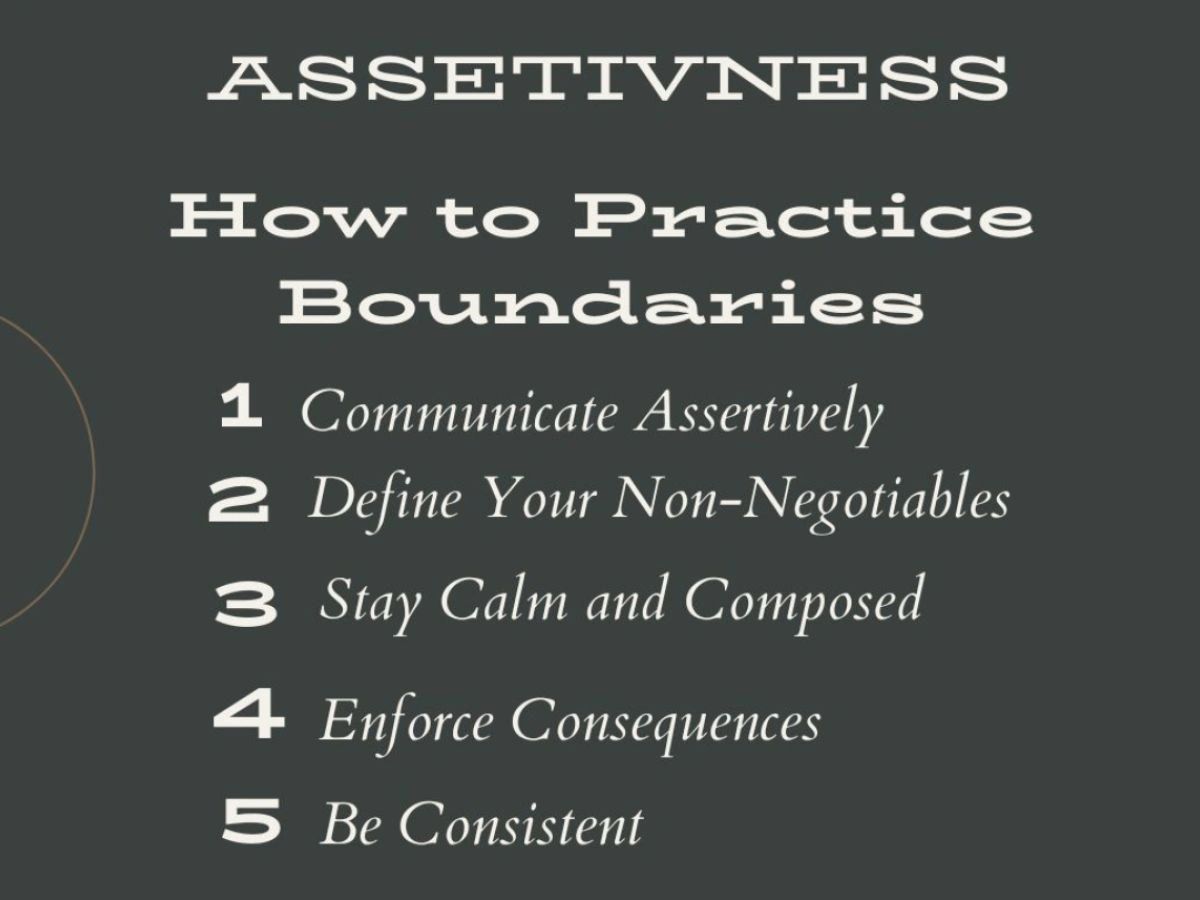
Step 6: Enforce Your Boundaries
A boundary is only as strong as your willingness to uphold it.
If someone crosses the line, restate your limit once. If the behavior continues, create distance or remove yourself from the situation.
Final Thoughts
Setting boundaries after narcissistic abuse is a skill — one that gets easier with practice. Every time you honor your limits, you send yourself the message that you are worth protecting.
And you are.
WANT TO LEARN MORE ABOUT TRAUMA HEALING? CHECK OUT THIS ARTICLE
Not sure where to start?
Book a 60-minute Return to Self Deep Dive Session to gently map your shadow patterns, name your survival roles, and receive a clear next-step plan.


One Response